
The Importance of Indoor Air Quality and How to Improve It
Indoor air quality is a fundamental part of maintaining a healthy and comfortable living environment. The air circulating in your home directly impacts your respiratory health, energy efficiency, and overall well-being.
Poor air quality can lead to allergies, asthma flare-ups, and other long-term health issues, making it important to address potential problems before they grow worse.
Fortunately, there are proven strategies to improve indoor air and ensure your home remains safe and comfortable year-round.
About Indoor Air Quality
Indoor air quality refers to the condition of the air inside your home, especially as it relates to health and comfort. Pollutants such as dust, mold spores, pollen, pet dander, volatile organic compounds (VOCs), and smoke are common culprits that create poor indoor air quality.
These contaminants accumulate from everyday activities, cleaning products, cooking, or even faulty equipment. If your HVAC system is outdated or poorly maintained, pollutants may build up faster and circulate throughout your living space.
The good news is that there are many options you can do to ensure your space has proper indoor air quality such as: ensuring your HVAC system has proper ventilation, gets routine system maintenance, installing air purifiers or installing ductless mini split systems are all great ways to significantly improve air circulation and reduce contaminants.
How Poor Indoor Air Quality Affects You
Breathing in contaminated air can cause more than temporary discomfort. It often leads to recurring headaches, respiratory irritation, and fatigue. For children, older adults, and those with compromised immune systems, the risks are even greater. Long-term exposure to poor indoor air quality can aggravate chronic conditions such as asthma or bronchitis.
Ways to Improve Indoor Air Quality
Improving your home’s air does not have to be complicated. By focusing on a few key strategies, you can significantly reduce pollutants and breathe easier.
- Source Control
Eliminating or reducing pollutants at the source is the most effective step. Examples include using natural cleaning products, sealing asbestos-containing materials, and adjusting gas stoves for lower emissions.
- Ventilation Improvements
Fresh outdoor air helps dilute indoor pollutants. Natural ventilation from open windows and doors, or advanced solutions like heat recovery ventilators, can dramatically improve circulation. Even simple steps, such as using kitchen and bathroom exhaust fans, can make a big difference.
- Filtration and Cleaning
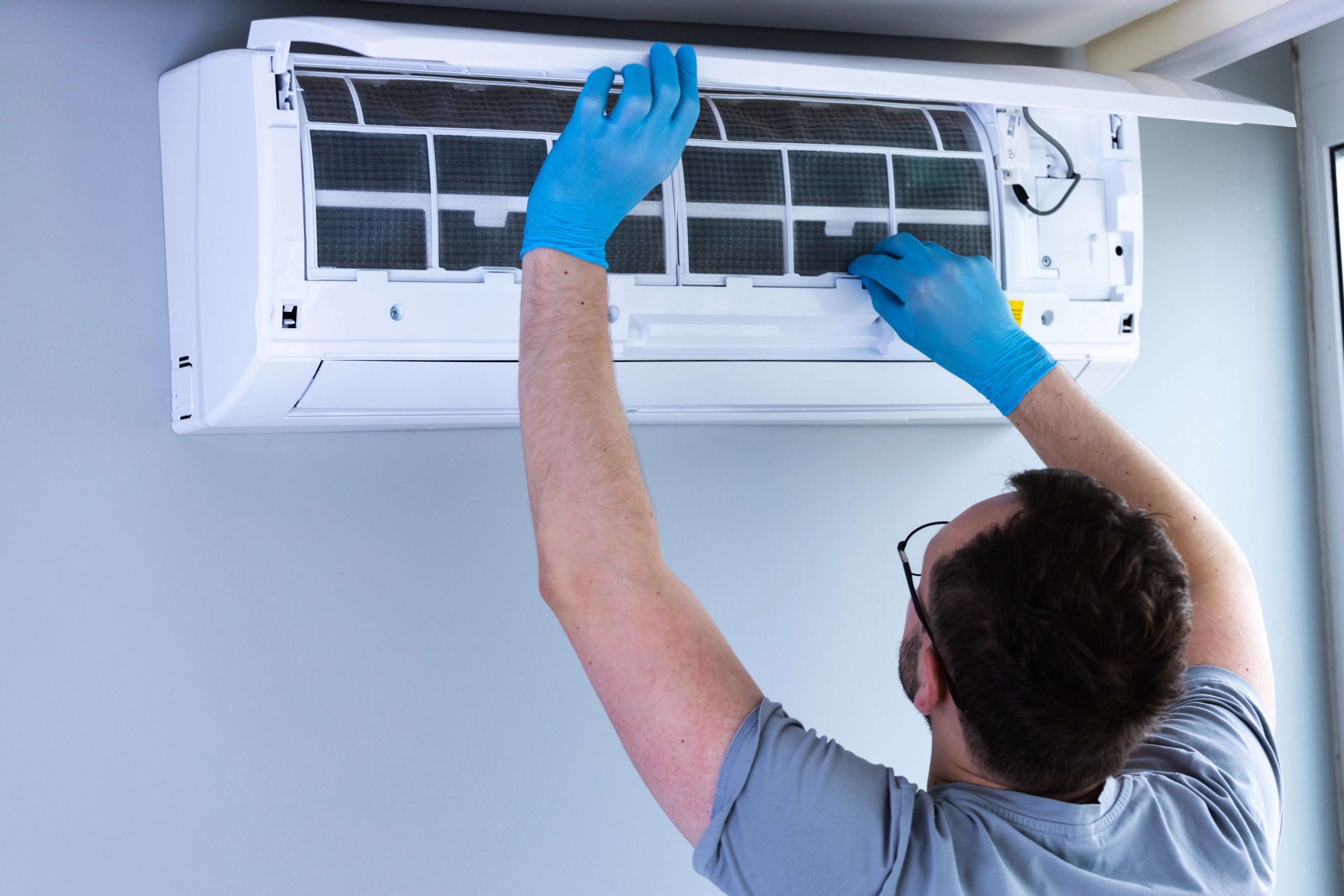
High-quality air filters trap dust, pollen, and microscopic particles, preventing them from recirculating in your home. Regular filter changes ensure your HVAC system remains efficient. Portable or whole-home air purifiers can add an extra layer of protection.
- Professional Maintenance and Repair
Scheduling routine service is essential. A professional inspection and AC repair makes sure that your system is free of leaks, blockages, or damaged parts that compromise air quality. Regular maintenance helps identify hidden problems before they grow into expensive repairs.
Why Indoor Air Quality Should Be a Priority
Improving air quality is about creating a healthier, safer, and more energy-efficient home environment. By reducing pollutants, you protect your family’s health, improve system performance, and ensure long-term savings. Whether through advanced filtration, ductless mini split systems, or ongoing maintenance, a proactive approach delivers comfort and peace of mind.
Contact C&M Mechanical Heating and Cooling for expert maintenance, installation, and customized solutions that safeguard your home and family.