
Energy-Efficient HVAC Systems: What You Need to Know
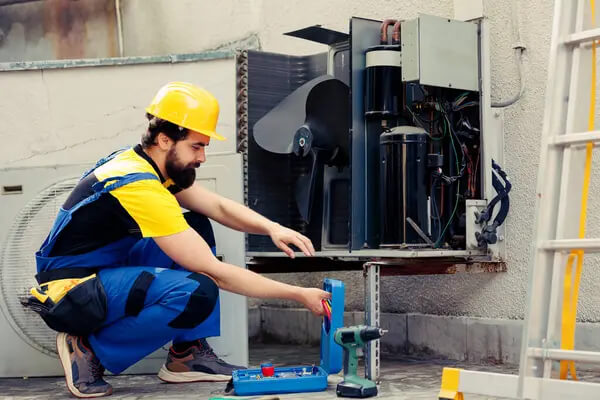
Heating, ventilation, and air conditioning (HVAC) systems are essential to maintaining comfort and indoor air quality in any home. However, outdated or poorly maintained units often waste energy, drive up utility bills, and shorten equipment lifespan.
Choosing and maintaining an energy-efficient HVAC system is one of the smartest steps homeowners can take to save money and improve daily comfort.
Why Energy Efficiency Matters in HVAC Systems
HVAC systems account for a significant portion of household energy use. Inefficient systems consume more energy than necessary, leading to higher costs and unnecessary environmental impact. By upgrading and continuing to properly maintain your HVAC system, you can reduce energy usage, enhance comfort, and extend the life of your equipment.
Energy-efficient systems are designed to deliver consistent performance while minimizing wasted energy. Modern models use advanced technology systems that have, variable-speed motors and smart thermostats, to adjust to real-time needs rather than running at full capacity all the time. This precision of the newer HVAC systems translates into savings and sustainability.
Benefits of Energy-Efficient HVAC Systems
Investing in energy-efficient HVAC systems provides both immediate and long-term benefits:
- Lower Utility Bills: Efficient systems require less energy to heat or cool your home, resulting in noticeable monthly savings.
- Reduced Environmental Impact: Using less energy lowers your household’s carbon footprint, making your home more eco-friendly.
- Improved Comfort: Consistent temperature control eliminates hot and cold spots, ensuring every room stays comfortable.
- Longer Lifespan: When operating efficiently, HVAC systems experience less wear and tear, extending their usable life.
- Higher Home Value: Energy-efficient systems are a strong selling point for prospective buyers interested in lower operating costs.
When to Consider Upgrading to a New HVAC System
If your current HVAC unit is more than 15 years old and requires frequent repairs, or fails to keep your home comfortable, it may be time to explore a residential HVAC installation.
Even if your system is still functioning, older units often fall short of today’s efficiency standards. Upgrading can mean lower operating costs, and more reliable comfort during peak seasons.
The Role of Preventative Maintenance
Even the most advanced HVAC systems require routinecare to remain efficient. Without routine service, dust, clogged filters, and worn components can force your system to work harder than it needs to, reducing efficiency and shortening the system’s lifespan.
Enrolling in residential HVAC maintenance ensures your system is inspected, cleaned, and tuned on schedule. Preventativemaintenance helps identify small issues before they become costly repairs and keeps energy usage under control.
How Homeowners Can Support Efficiency
Beyond professional service, homeowners can take steps to maintain HVAC efficiency:
- Replace or clean air filters every 1–3 months.
- Keep vents and registers unobstructed.
- Seal air leaks around doors and windows to reduce system strain.
- Use programmable or smart thermostats to regulate heating and cooling schedules.
- Schedule annual professional inspections before peak heating or cooling seasons.
Energy-efficient HVAC systems reduce costs, improve comfort, and support a more sustainable home. Whether you need a new installation or routine upkeep, C&M Mechanical Heating and Cooling delivers reliable service and trusted expertise.
Contact our team today to schedule your professional HVAC service and start saving money year-round.