
Commercial HVAC Services In Santa Clarita: What Businesses Need To Know
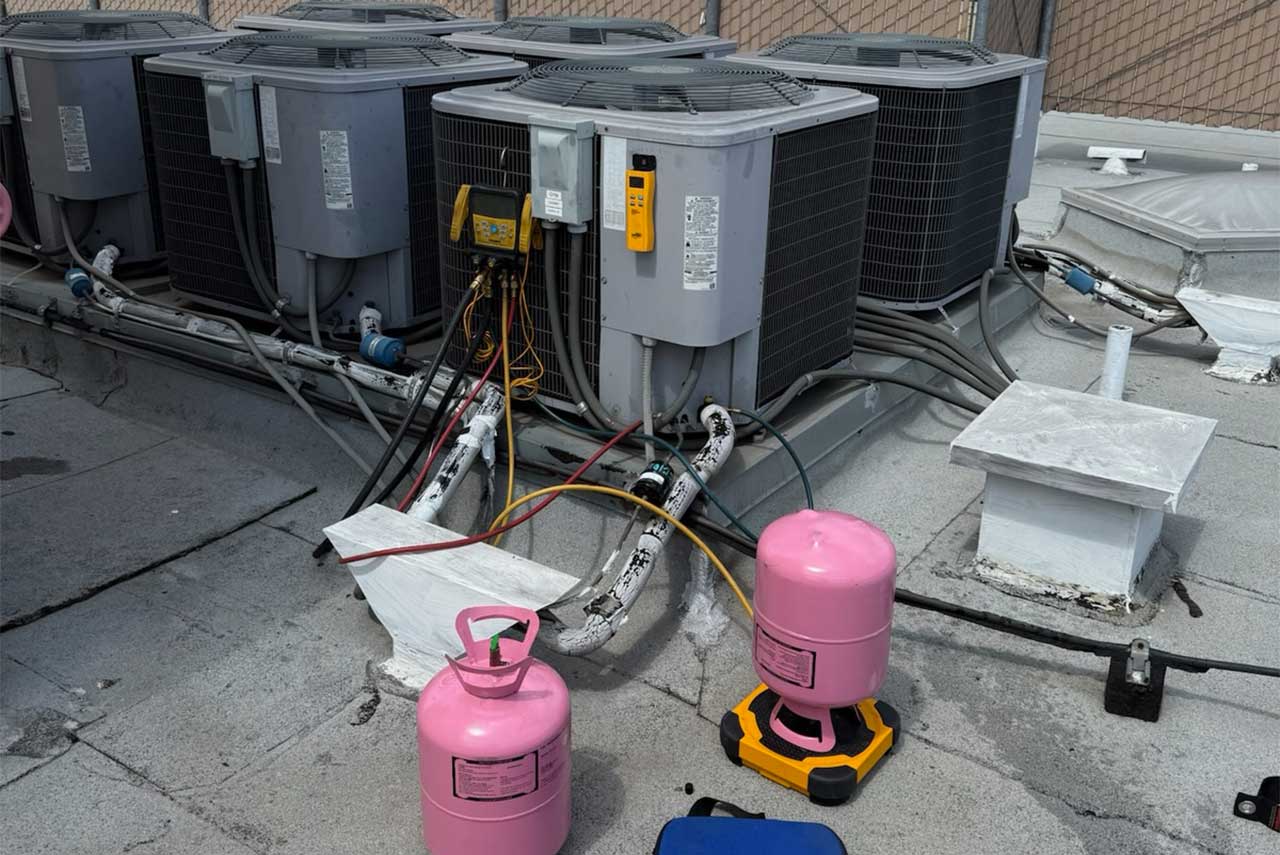
Running a business in Santa Clarita means depending on heating and cooling systems that work long hours in changing conditions all year round. When a HVAC system struggles, comfort drops, productivity slows, and downtime can cost real money. This guide explains what matters most when evaluating commercial HVAC services in Santa Clarita, from maintenance expectations to installation planning, so you can make informed decisions for your building.
What Makes Commercial HVAC Different from Residential Systems
Commercial HVAC systems handle larger spaces, longer run times, and heavier loads than residential equipment. Many systems serve multiple zones with separate controls. Others support tenant spaces with different usage patterns throughout the day.
Because of this complexity, commercial work calls for deeper planning and experienced HVAC technicians who understand airflow, system sizing, and load demands. A solution that works in a home does not always translate to a retail space, office, or warehouse.
Common Commercial HVAC Services Businesses Use
Most businesses rely on three core service areas: HVAC repair, installation, and maintenance. Each plays a different role in system performance and cost control.
Commercial HVAC Installation
New installations usually happen during build-outs, expansions, or equipment replacement. The process starts with a walk-through of the space and a review of how the building is used. Occupancy, operating hours, and layout all matter.
Proper sizing helps systems cycle correctly and avoid unnecessary strain. Oversized equipment wastes energy, while undersized units struggle to keep up during peak demand. Careful planning at this stage affects long-term comfort and operating costs.
Commercial HVAC Repairs
Repairs often come up during busy seasons in the hot summer peaks and cold winter days, this is when the systems run the hardest. Common issues include electrical failures, worn components, airflow restrictions, and control problems.
In a commercial setting, response time matters because downtime impacts employees and customers. Clear communication during a repair helps business owners understand what failed, why it happened, and what to expect next.
Commercial HVAC Maintenance
Maintenance is where many businesses gain the most long-term value. Systems that run most of the day need regular attention to stay reliable. In commercial settings, maintenance schedules often happen quarterly instead of once a year.
Routine service focuses on components that affect performance and safety. Tasks usually include inspecting electrical connections, checking refrigerant levels, cleaning coils, testing controls, and verifying system operation.
Why Maintenance Matters More in Commercial Buildings
Commercial systems do not get the same breaks residential units do. Long run times increase wear and raise the risk of unexpected failures.
Maintenance helps catch problems early, before a minor issue leads to a shutdown. It also supports consistent airflow and temperature control across the building. Over time, this helps reduce emergency calls and extends equipment life.
Understanding Local Regulations and Compliance
California has specific environmental and efficiency regulations that affect commercial HVAC systems. Refrigerant handling, energy standards, and equipment requirements all fall under state oversight.
Staying compliant helps avoid penalties and supports safe operation. An experienced HVAC contractor in Santa Clarita understands how these rules apply to commercial properties and how to work within them during service or replacement.
Choosing the Right HVAC Contractor for Your Business
Not all contractors focus on commercial work. When evaluating HVAC services in Santa Clarita, CA, businesses should look for teams with direct experience in commercial environments.
Clear explanations, realistic timelines, and practical recommendations matter more than sales language. Commercial systems are investments, and business owners benefit from working with technicians who explain options in plain terms.
Planning for Emergencies the Right Way
If a commercial system fails unexpectedly, the safest step is to turn it off and call for service. Continuing to run a failing system can lead to more damage.
Most electrical or mechanical issues are not simple fixes for building staff. Tripped systems or repeated shutdowns point to deeper problems that need technical attention.
Balancing Cost, Performance, and Longevity
Commercial HVAC decisions often involve trade-offs. Lower upfront costs may lead to higher operating expenses later. Higher efficiency systems may cost more at installation but reduce monthly energy use.
Understanding these trade-offs helps business owners plan realistically. Clear guidance allows you to weigh short-term budgets against long-term performance without pressure.
Local Experience Matters in Santa Clarita
Buildings in Santa Clarita and the San Fernando Valley face specific climate demands. Hot summers and extended cooling seasons place heavy loads on equipment.
Local experience helps contractors anticipate these challenges and recommend solutions that match real conditions. This knowledge supports better performance throughout the year.
Working with C&M Mechanical Heating and Cooling
At C&M Mechanical Heating and Cooling, we focus on commercial HVAC systems for businesses across Santa Clarita and surrounding areas. We bring decades of hands-on trade experience into every installation, repair, and maintenance visit.
Our approach centers on clear communication and practical solutions. We take the time to explain what your system needs and why, so you can make confident decisions without guesswork.
Commercial HVAC systems play a direct role in comfort, safety, and daily operations. Understanding how these systems work and what services they require helps business owners avoid surprises and plan ahead.
When questions come up about system performance, maintenance schedules, or equipment replacement, it helps to talk with technicians who understand commercial environments and local conditions. A thoughtful conversation can clarify options and set realistic expectations for your building’s heating and cooling needs.