
A Homeowner’s Guide To HVAC Services In Canyon Country
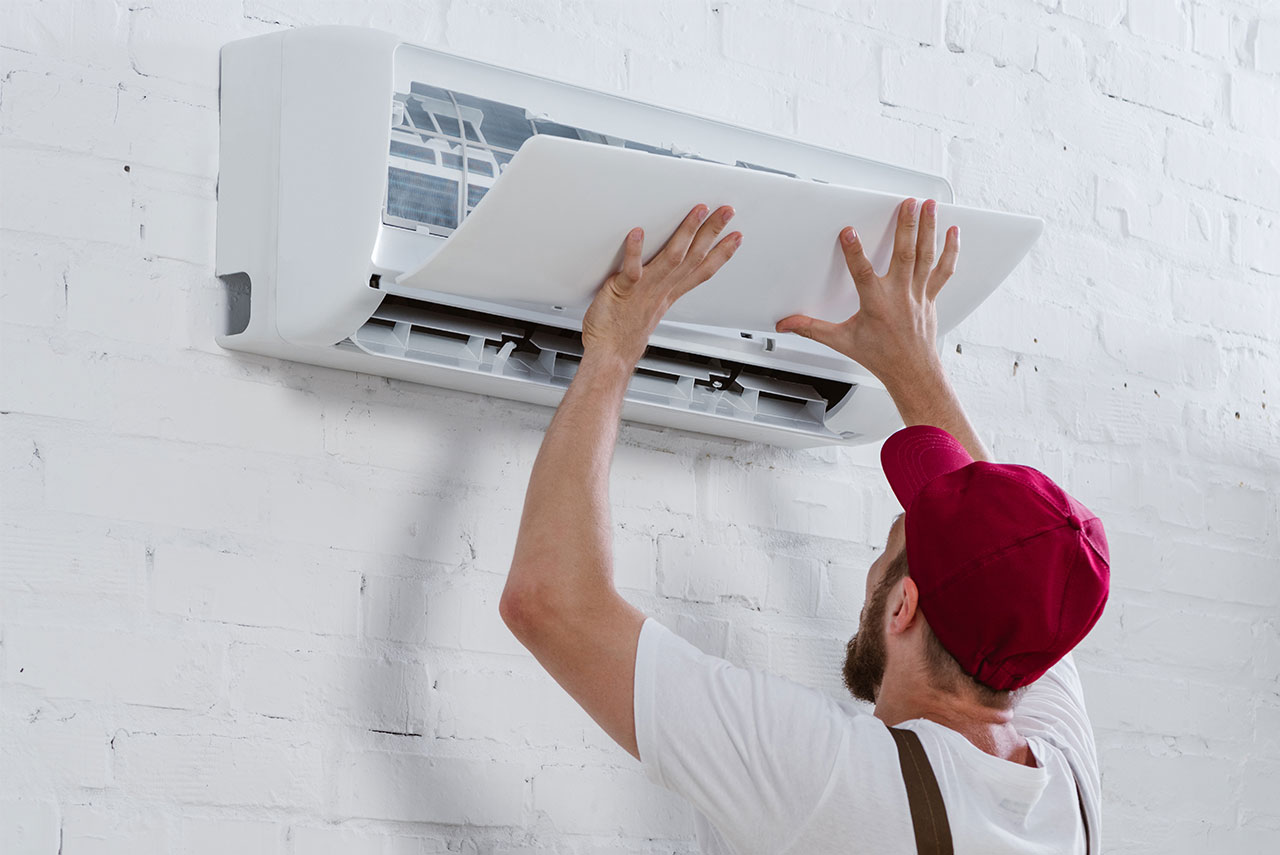
Living in Canyon Country means long, hot summers, cool winter nights, and plenty of dust in the air. Your HVAC system does not get much of a break. When it is working the way it should, you barely think about it. When it is not, your whole house feels off.
If you own a home here, understanding how HVAC service works helps you make smarter decisions, avoid expensive surprises, and know when it is time to call an HVAC expert.
Understanding What Your HVAC System Does
Your HVAC system is not just your air conditioner. It is a complete heating and cooling setup designed to control:
- Indoor temperature
- Air circulation
- Humidity levels
In most Canyon Country homes, that means a split system with an outdoor condenser and an indoor furnace or air handler. During summer, the system pulls heat out of your house and releases it outside. In winter, your furnace heats the air and distributes it through your vents.
If you have a ductless mini-split system, that system can both heat and cool depending on the brand and configuration. Mini-splits are common in room additions, garages, or homes without traditional ducted systems.
The key point is this: heating and cooling equipment works as a system. When one part struggles, the rest follows.
Common HVAC Services Homeowners Need
Most service calls fall into a few clear categories. Knowing the difference helps you explain the issue clearly when you call a tech.
HVAC Repairs
Repairs usually happen when something stops working the way it should. That could include:
- AC blowing warm air
- Furnace not turning on
- System short cycling
- Unusual noises like grinding or rattling
- Breaker tripping repeatedly
If your system is tripping the breaker or shutting itself off, turn it off at the thermostat and leave it off. That is not a minor issue. Repeatedly resetting it can cause more damage.
A trained HVAC technician in Canyon Country will check electrical components, refrigerant levels, motors, capacitors, safety switches, and airflow to pinpoint the problem. Guessing at it rarely works and often makes the repair more expensive.
Seasonal Maintenance
Maintenance is about prevention. In Canyon Country, that usually means one visit before summer and one before winter.
A typical residential HVAC maintenance visit includes:
- Checking refrigerant pressures
- Inspecting electrical connections
- Testing capacitors and contactors
- Cleaning the outdoor condenser coil
- Inspecting blower components
- Testing thermostat operation
- Checking system performance
Maintenance does not magically fix aging equipment, but it does catch worn parts early. A weak capacitor in April is a simple swap. In July, it can make your system completely stop working and leave you sweating for days or pay for an emergency service.
System Replacement
If your system is 12 to 18 years old and repairs are stacking up, replacement becomes a serious conversation.
Signs it may be time to replace:
- Frequent breakdowns
- Rising energy bills
- Uneven temperatures from room to room
- Loud operation
- Outdated refrigerant type
New systems are more energy-efficient and often quieter. A good contractor will calculate proper system size based on your home’s square footage, insulation levels, and layout. Bigger is not better. Oversized systems short cycle and wear out faster.
What Makes Canyon Country Different
Local climate matters. Canyon Country summers are not mild. Your AC runs hard and long, often day after day.
Dust and dry air also affect performance. Outdoor condenser coils collect debris quickly. When airflow across that coil drops, efficiency drops with it. That leads to higher energy use and more strain on components.
Winter may not be brutal, but temperatures can dip low enough to push your furnace into regular use. Ignition components, flame sensors, and safety switches all need to function properly when that happens. Your system here works year-round. That is why skipping maintenance usually shows up fast.
Ductless Mini-Splits: A Growing Option
Ductless mini-split system installation is becoming more common in Canyon Country homes. They are not just for cooling. Many models provide both heating and cooling.
Homeowners often install mini-splits in:
- Converted garages
- Room additions
- Guest houses
- Older homes without ductwork
These systems allow independent temperature control in each zone. That means you can cool a bedroom at night without running the entire house.
They are efficient, but they still require maintenance. Filters need cleaning, coils need inspection, and refrigerant levels must be correct. Just because the system is compact does not mean it is maintenance-free.
When to Call a Technician Instead of Waiting
Homeowners sometimes wait too long to call. Small issues rarely stay small.
Call for service if you notice:
- Warm air during cooling mode
- Burning smells
- Loud banging or screeching
- Thermostat not responding
- System running constantly without reaching temperature
If the system shuts down unexpectedly or keeps tripping power, turn it off. Do not keep cycling it back on. That can damage motors and compressors. It is better to schedule a diagnostic visit early than to risk a major component failure during peak summer heat.
Choosing the Right HVAC Contractor
Not all HVAC companies operate the same way. When you hire someone, you are trusting them with expensive equipment that affects your comfort every day.
Look for a Canyon Country HVAC contractor who:
- Explains findings clearly
- Provides straightforward pricing
- Does not push equipment you do not need
- Answers technical questions without vague responses
A good HVAC pro will show you failed parts, explain why they failed, and outline your options. You should feel informed, not pressured.
In Canyon Country, local experience matters. A technician who understands the area’s climate patterns and typical system setups can diagnose issues faster.
Energy Efficiency and Your Utility Bills
If your electric bills spike during summer, your HVAC system is often the main factor.
Common causes of high cooling costs include:
- Dirty condenser coils
- Low refrigerant
- Aging compressors
- Poor airflow due to clogged filters
- Incorrect system sizing
Sometimes the fix is simple, like replacing a clogged filter. Other times, declining efficiency signals aging equipment.
Programmable thermostats and smart thermostats can also help reduce unnecessary runtime. Setting realistic temperature goals rather than extreme settings keeps the system from running non-stop.
Canyon Country HVAC Experts You Can Rely On
When your heating or cooling system is acting up, you should feel confident about who you call for help. At C&M Mechanical Heating and Cooling, we bring over 25 years of hands-on HVAC experience to Canyon Country and beyond. Our team of certified technicians works on all makes and models for residential and commercial customers, from repairs and tune-ups to new system installations and upgrades.
We treat every home like it’s our own, with honest communication, upfront pricing, and practical recommendations that fit your lifestyle and budget. Need help right now or thinking about an upgrade? Reach out today for dependable service that keeps your space comfortable every season.