
Why Do Air Conditioners Freeze? 5 Common Reasons Explained
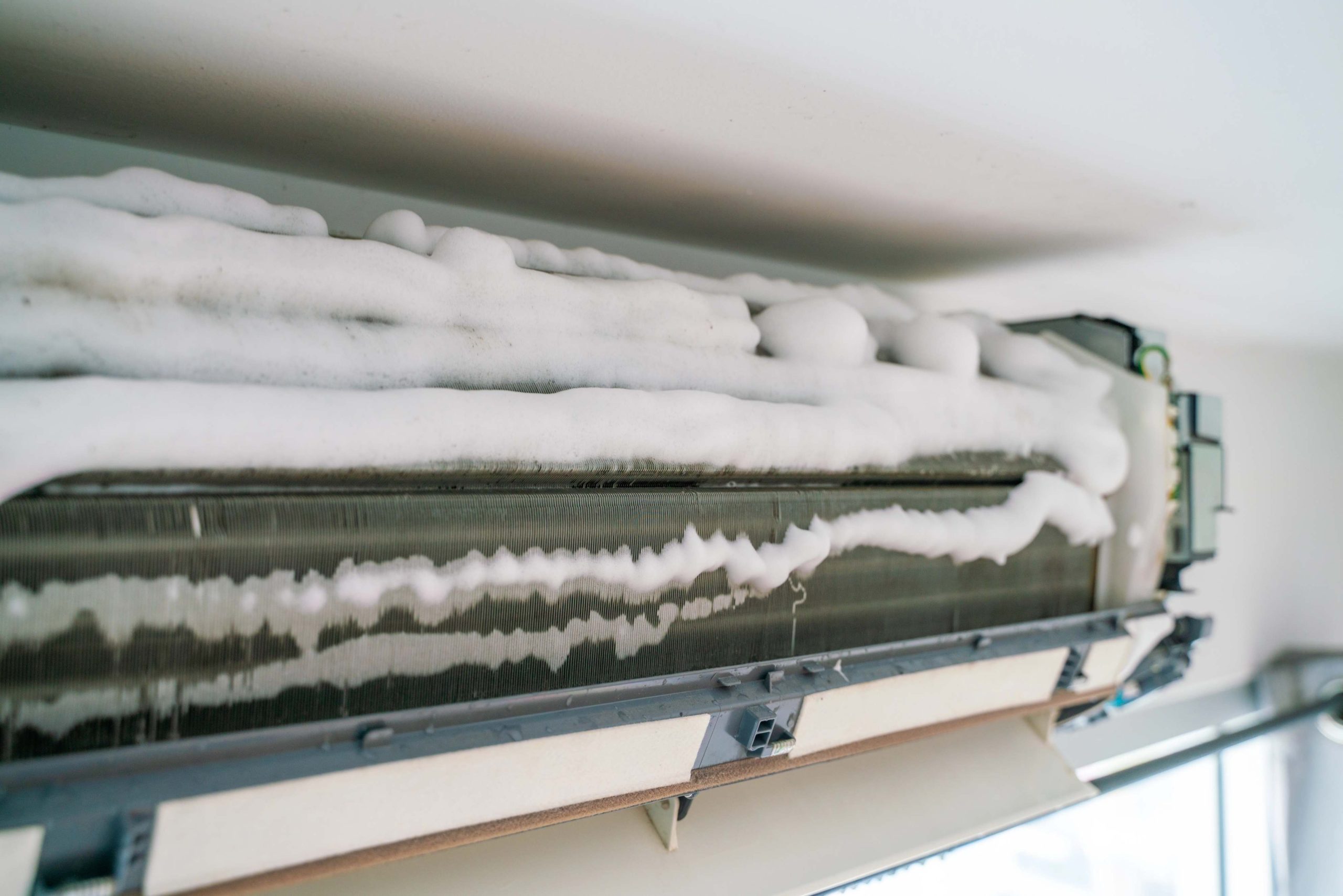
Realizing there is a layer of ice on your air conditioner often causes significant concern for property and building owners seeking relief from the heat. Discovering what causes the HVAC system to freeze up offers necessary insight into maintaining a functional and efficient cooling system all summer long.
This guide details the most frequent reasons your unit develops a frozen coating and explains simple methods for correct resolution. Frozen air conditioning units signal serious underlying problems that require immediate attention to prevent expensive component failure from occurring that will require professional diagnosis and repair.
Low Refrigerant Levels Can Cause Ice Buildup
Refrigerant plays a crucial role in the cooling cycle by absorbing heat from inside your home and releasing it outdoors. When refrigerant levels are too low, the evaporator coil becomes colder than normal and causes moisture in the air to freeze quickly.
Technicians must locate and repair leaks before adding refrigerant to prevent repeated freon leaking out and freezing; and protect the system from further damage. By just adding freon back in without repairing the leak or replacing the component where leak identified, it is against EPA regulations and will only be a temporary fix until leaks out again, causing for additional damage and higher repair costs in the future.
A Dirty Air Filter Restricts Vital Airflow
A heavily soiled air filter represents a common culprit for severely restricted airflow across the cooling system’s evaporator coil assembly.
Reduced air movement stops the coil from absorbing sufficient heat from the circulating air, causing the coil temperature to drop below the freezing point. Always replace your air filter every one to three months during peak usage season to maintain the correct airflow across the unit.
Blocked or Dirty Evaporator Coils Hinder Absorption
Dirt and debris coat the evaporator coils over time, which severely reduces their ability to absorb the necessary heat from your indoor air. This accumulation forms an insulating layer on the coil surface, stopping the heat transfer required to keep the coil above the water freezing point.
In addition to your regular maintenance, it might be recommended to do a more deep coil cleaning to guarantee maximum heat absorption and greatly prevent ice formation on the unit.
Malfunctioning Blower Fan Reduces System Airflow
The blower fan motor actively pushes the cooled air through the ductwork and across the evaporator coil to finish the cooling process effectively.
The motor must operate at full capacity because a weak or breaking down blower fan cannot move enough air over the coil surface. This lack of necessary air movement causes temperatures to drop sharply below the freezing point on the coil.
Homeowners can observe weak airflow from the air vents quickly, which shows a possible problem with the main blower fan motor assembly and requires repair. Another sign of the motor going out is hearing a loud noise followed by the HVAC system completely not working. Reduced air movement in the system’s motors can lead to ice buildup on the essential components, creating a serious issue that demands immediate attention.
Issues with Thermostat Can Lead to Freezing
Thermostat calibration problems or sensor issues occasionally trick the air conditioning unit into running constant cooling cycles without any needed breaks. This continuous operation allows the evaporator coil to become excessively cold over time, encouraging rapid ice formation on the metal surface.
Always confirm your thermostat operates accurately and sets the temperature correctly to stop unnecessarily long cooling cycles.
How to Safely Thaw Your Frozen AC Unit
Turn the air conditioner off at the main breaker as soon as ice appears on outdoor lines or indoor components. This halts the cooling cycle and prevents additional strain on the compressor. Allow the unit to thaw completely, which may take several hours depending on ice thickness. Call your trusted HVAC professional for a serbicecall and let them know what you obsered, and actions you have taken. Once completely thawed which can take a couple hours to a full day, your HVAC pro can troubleshoot and diagnose what the cause of the ice formation on your system.
When to Call a Professional for AC Repair
Call a licensed technician if your air conditioner freezes in any situation. Turn off your system, and let it thaw out. Do not attempt to self diagnose and repair, as a wrong diagnosis could lead to additional damage, and costly repairs. Professionals have the tools to check refrigerant levels, locate leaks, and address electrical or fan motor problems safely.
Only trained experts can resolve the underlying issues and restore proper function. Recognizing what causes AC to freeze up helps homeowners act before minor problems escalate.
Preventative Maintenance to Avoid Future Freezing
Scheduling professional maintenance before the cooling season begins each spring is essential to keep your air conditioning system operating efficiently. Comprehensive service includes cleaning coils, checking refrigerant levels, inspecting belts, and evaluating all major components for signs of wear or potential failure.
Regular maintenance reduces stress on critical parts, prevents small issues from escalating, and significantly lowers the likelihood of future freezing problems. Homeowners benefit from a more reliable system, lower energy costs, and peace of mind knowing that preventative care protects both comfort and equipment longevity.
Establishing a consistent maintenance routine ensures the AC unit performs optimally throughout the hottest months.
The Dangers of Ignoring a Frozen AC System
Ignoring a frozen air conditioner can lead to severe and costly damage within the cooling system. Ice buildup puts extreme stress on the compressor and forces it to work harder to move liquid refrigerant, and increasing the risk of permanent failure. Continuing to operate the system in this state often results in repairs that are far more expensive than addressing the original minor freezing issue.
In addition, the melting ice can overflow into the air handler or drainage pans, which will cause water damage to surrounding components, ceilings, and floors. This can lead to structural issues, mold growth, and expensive remediation. Turning off the unit at the first sign of ice formation is critical to protecting both the HVAC system and your property from long-term damage.
Trust Our Reliable Experts in Santa Clarita, CA
Need prompt service for your air conditioner or heating system? Contact C&M Mechanical Heating and Cooling for top-quality HVAC solutions, including full installation, repair, and maintenance for both residential and commercial properties. Our team delivers comprehensive air conditioning services to keep your cooling system operating efficiently and reliably all year.
Our mission at C&M Mechanical prioritizes comfort, energy efficiency, and truly dependable 24/7 service for every customer. You can also rely on our certified technicians for furnace repair and maintenance in Santa Clarita, CA.
As approachable and trustworthy HVAC professionals, we are committed to supporting the local community and small businesses. Reach out today to request a detailed quote or schedule a convenient service appointment for your air conditioning or furnace needs.