
Indoor Air Quality HVAC: How Systems Impact Your Home Environment
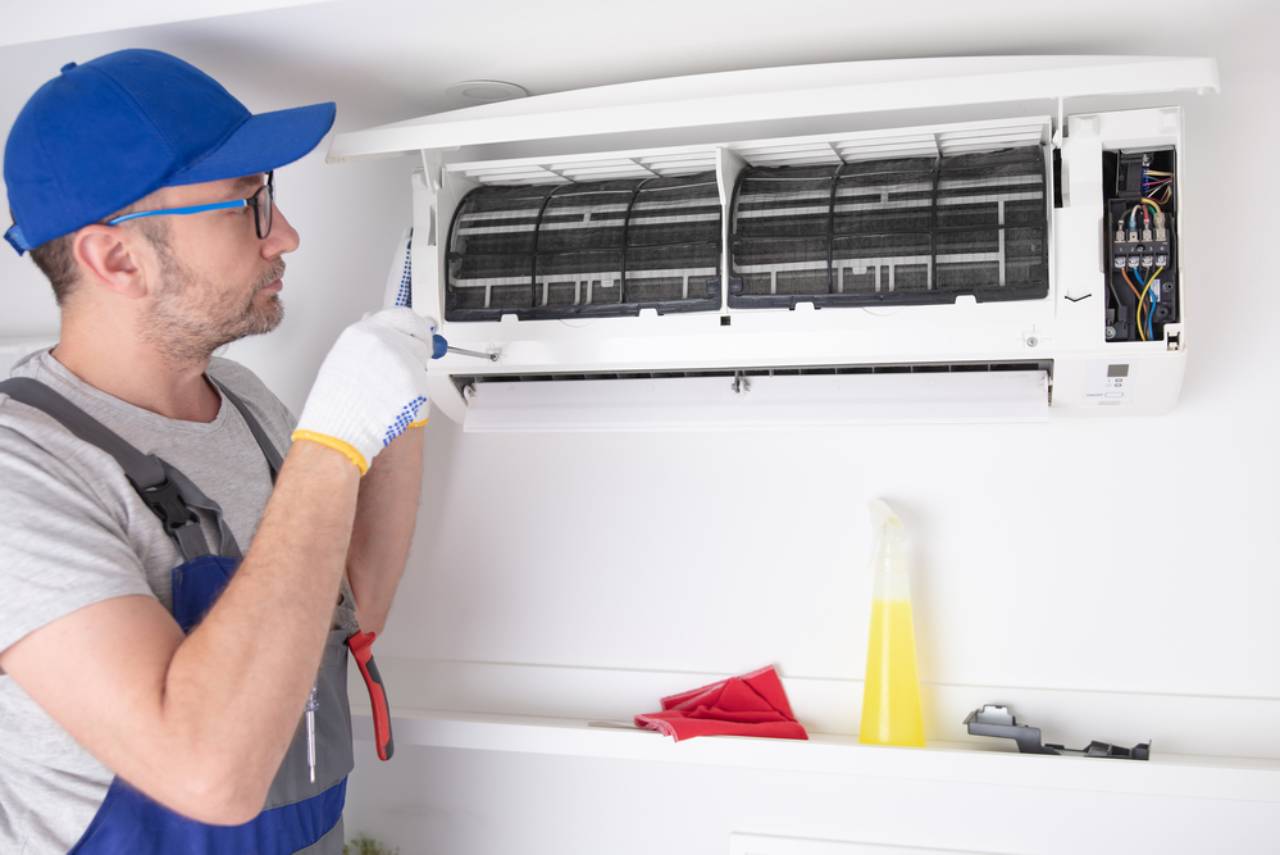
Modern homes trap many invisible particles that stay inside rooms for long periods of time. Dust and small fibers float through every room without a way to leave, leading to buildup and poor indoor air quality. Better indoor air quality HVAC setups remove these tiny threats by pulling them through thick mesh materials. This action cleans the environment and keeps the air fresh for every single living thing, including people, pets, and plants. Clean vents also stop dirt from settling on furniture and carpets throughout the entire house or office, which not only looks more presentable but also just feels better.
There are lots of ways your indoor air quality can be improved, one of which being by optimizing your HVACsystem. Having a system that works efficiently is paramount for the health and safety of your home.
Here’s how.
The Relationship Between HVAC and Indoor Air Quality
Dirty air can trigger many physical reactions that make daily life harder for everyone inside a a shared space. It’s not just about dust and debris, although those are primetime culprits for discomfort as well. There’s also the issue of mold.
Trapped mold spores grow in dark corners when the cooling system fails to dry the air properly. Regular airflow prevents these spores from landing on walls and growing into large dark patches over time. Effective machines pull moisture away from the surfaces to stop the growth of dangerous hidden fungi. Constant movement of air keeps the house dry and clean during the wet or humid months. High quality systems create a space where breathing feels light and natural no matter the external conditions.
Poor air circulation leads to heavy air that feels thick and smells like old laundry or stale food. Cooking smells and cleaning chemicals linger in the rooms without a path to exit the building fast. Modern units push these smells outside and bring in crisp air from the world across the walls. This process keeps the internal climate balanced and neutral during the coldest winters or the hottest summers.
It’s also important to consider how your indoor air quality could impact your mental well-being. Properly maintained machines stop the buildup of carbon dioxide; if you notice that you tend to get extra fatigued when working in certain rooms or super drowsy, it could be a sign that the issue is more than just poor sleep. Getting enough oxygen helps maintain a sharp mind but if your indoor air quality is compromised due to a faulty HVAC unit, that may not be possible. Don’t underestimate the importance of getting your system professionally serviced, especially if your productivity is suffering. It may not be you; it could be your air quality.
The Three Pillars of Air Quality
Mechanical systems change the atmosphere using three specific actions that target different types of invisible pollutants.
- Filtration: Clean filters act like a shield that catches dirt before it moves through the silver metal pipes. These thick screens trap pollen and pet hair that otherwise stay in the air for many weeks. High MERV ratings mean the mesh has tiny holes that stop even the smallest dust particles from passing. Thicker filters require more power to move the air through the dense fabric without slowing down the motor. However, you must ensure that you get the proper filter size for your system, high MERV rating filters are thicker and if your system not equipped for that kind of filter it can cause more damage by making your system work harder to push through the thick filter, and cause irreparable damage. Using the right filter keeps the internal components clean and prevents costly repairs on the internal parts.
- Ventilation: Fresh air from outside replaces the old air that sits inside the house for too long. Constant motion prevents the air from becoming stagnant or smelling like a moldy basement during rainy seasons.
- Humidity Control: Water in the air causes many problems when the levels rise above fifty percent in the summer. Cold coils inside the systempull liquid out of the breeze to keep the rooms feeling dry. Balanced air stays comfortable and prevents the sticky feeling that happens during the middle of the summer heat.
Common Pollutants and HVAC Solutions
Modern technology stops many hidden particles from damaging the air that moves through buildings on any given day.
- Dust & Allergens: Tiny particles of dust, debris, and outdoor pollen float through the air and settle on every flat surface imaginable – even the ones you can’t see. High efficiency pleated filters catch these items before they enter the lungs or rest on the carpet. These screens use tight weaves to stop the smallest bits of dirt from moving through the metal vents. Keeping the air clean from these physical items prevents sneezing and watery eyes that happen during the spring. Clean filters keep the rooms looking better and the air feeling much lighter.
- Bacteria & Viruses: Microscopic germs travel through the vents and spread from one room to another without anyone noticing the movement. UV-C germicidal lights sit inside the metal ducts to kill these small organisms using special invisible light waves. This step neutralizes the threats that filters might miss due to the extremely small size of the germs. Destroying the DNA of these pathogens stops them from growing or causing any harm to the living things inside. The light works silently to keep the environment safe and free from sickness.
- VOCs & Odors: Chemical smells from paint and cleaning supplies often linger in the air and create a very heavy atmosphere. Activated carbon filters use special layers to soak up these gases and remove the sharp smells from the rooms. These filters work like a sponge to pull the invisible chemicals out of the breeze as it passes. Removing these smells keeps the air neutral and prevents the headaches that come from breathing in strong chemical fumes.
- Stale Air / CO2: Trapped air becomes heavy with carbon dioxide when many living things stay in a room together. Energy Recovery Ventilators pull in fresh outdoor air while pushing the old air out through a heat exchanger. The HVAC systemkeeps the temperature steady while swapping the gases to maintain a very high level of oxygen. Using this method prevents the sleepy feeling that happens when the indoor air stays the same for too long. Constant exchange keeps houses and other buildings smelling fresh and clean without losing any heat.
The Risk of Neglected Systems
Broken HVAC systems aren’t just inefficient; they’re also hazardous. A faulty HVAC unit that stops cleaning the air can actually start making the living space intolerable.
When water builds up in the drain, lines can get blocked by dirt or slime. What’s more, standing water creates a perfect spot for mold to grow and spread into the moving air. Fixing the leaks and cleaning the pans stops this cycle before the air becomes dangerous to breathe.
Leaky pipes also pull in grey dust and insulation fibers through the small cracks and holes. This debris moves through the system and lands on the furniture or inside the lungs of the inhabitants. Clogged filters also force the motor to work much harder to pull the air through the thick dirt. This extra strain leads to mechanical failures and can stop the system from cooling the house on hot days. prevents these problems and keeps the machinery running smoothly for many years of use.
Tips for a Healthier Home
The good news is that there are several simple actions you can take to maintain your HVAC unit and keep the air clear of any unwanted particles or smells.
- Check Filters Regularly: Looking at the filter every 1-3 months helps track how much dirt the machine catches from the air. Pets with long hair or dusty construction nearby will fill the mesh much faster than a clean house. Swapping a grey filter for a white one keeps the air moving fast and prevents the motor from getting too hot. This simple task is the most important part of keeping the home environment clean and safe. Writing the date on the frame helps track when the next change should happen.
- Run the Fan: Turning the fan to the on position keeps the air moving through the filter all day long. This cleans the air even when the heater or the air conditioner is not currently running. Constant motion prevents the air from getting stagnant in the corners or behind the large furniture pieces. Moving air also helps balance the temperature on multi-unit and story homesKeeping the fan running creates a steady flow that removes pollutants every single hour.
- Annual Tune-ups: Scheduling cannot be overlooked. Certified HVAC technicians inspect the coils and the wires once a year to find any small hidden problems. These visits include cleaning the internal parts that the average person cannot reach with a normal home vacuum. Checking for leaks in the vents or system components keeps the liquid inside the machine where it belongs for safety. A clean machine uses less power and keeps the bills low during the peak of the summer or winter. Regular service extends the life of the equipment and keeps the air smelling fresh and clean.
Call C&M Mechanical Heating and Cooling for Expert Indoor Air Quality Services in Santa Clarita, CA
Your family deserves to breathe fresh and clean air every moment of every day. At C&M, we bring over twenty-five years of field experience and local heart to the neighborhoods within the Santa Clarita Valley and San Fernando Valley. Our team specializes in as well as general HVAC repair services to remove hidden pollutants that often trigger allergies or cause fatigue. We take great pride in our reputation for honesty and our deep roots as a family-owned business that supports local community events. If your old system struggles to keep up, we offer high-efficiency to help lower your monthly energy bills.
Need us in a pinch? Not to worry! C&M Mechanical Heating and Cooling offers 24/7 emergency HVAC support so you never have to worry about sudden equipment failures. Contact us today to schedule your maintenance visit and start living in a much healthier and more comfortable home.