
7 Oil Furnace Maintenance Tips To Avoid Unexpected Repairs
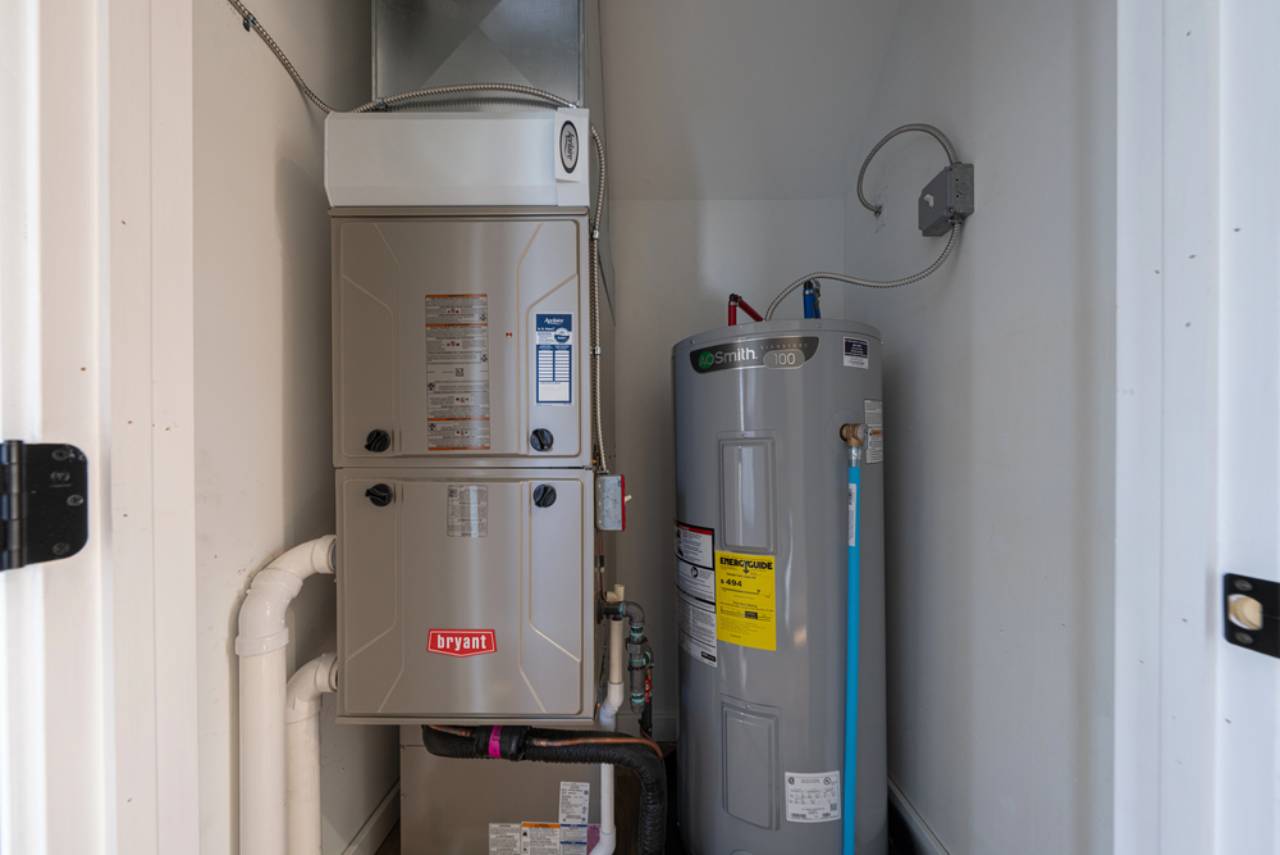
The cold of winter puts heavy stress on heating equipment during the coldest months of the year. Keeping a home warm requires a heating system that runs without any sudden mechanical failures. Making sure you schedule your oil furnace maintenance keeps the burner running at its best performance. Small problems often turn into expensive fixes if homeowners ignore the sounds of a struggling heating system. Proper care prevents soot buildup and keeps the air inside your living space clean and healthy.
If you’re concerned about your home’s furnace, there are a few things to note. First, it’s important to understand how your furnace system works. From there, you’ll be able to determine if something is malfunctioning and if you need to call in a professional furnace repair service. Additionally, understanding the basic ins and outs of your system means knowing how to maintain it. With proper professional maintenance, you’ll be able to extend the lifetime of your unit and get the most out of it for years to come.
Understand How Your Oil Furnace System Operates
Heating oil sits in a large tank until the pump pulls the liquid toward the burner. The system turns this fuel into a fine mist before igniting it inside the combustion chamber. This process creates intense heat that warms the air or water moving through the entire house. A blower motor then pushes the warm air through ducts to reach every single room. Sensors monitor the flame to make sure the unit operates safely throughout the day and night.
The thermostat sends a signal to the control board when the indoor temperature drops too low. This trigger starts the ignition sequence and opens the valves to allow oil flow into the nozzle. Modern systems use electronic components to check for leaks and airflow issues during the startup phase. Fans move exhaust gases out through a chimney or vent pipe to protect the indoor air. Clean parts allow these steps to happen quickly without wasting any extra fuel or electricity.
Tip 1: Schedule Annual Professional Oil Furnace Maintenance Visits
Expert technicians have the right tools to measure the efficiency of the burner and exhaust gases. HVAC techs scrub the heat exchanger to remove carbon deposits that slow down the warming process. They also inspect the fuel lines for tiny cracks that might lead to a messy leak. Checking the electrical connections helps prevent short circuits that could stop the unit from starting up. Scheduling annual visits to evaluate your furnace can help catch small worn parts before they break and cause the whole heating system to fail.
A technician will test the safety shutoff valves to make sure the furnace stops if a problem occurs. They’ll also clean the oil spray nozzle to help the fuel burn more cleanly and produce heat. Testing the draft regulator helps the chimney pull smoke out of the house at the correct speed. The tech will adjust the air shutter to get the perfect mix of oxygen and heating oil. These precise adjustments keep the heater quiet and help it use less fuel every single month.
Tip 2: Replace Oil Furnace Filters on a Regular Schedule
Dirty filters block the flow of air and force the blower motor to work much harder. This extra strain leads to overheating and can cause the motor to burn out prematurely. If you run your heater constantly, changing the filter every month during the winter keeps the air moving freely through the vents. Most units use a simple slide-in filter that takes only a few minutes to swap out. Clean filters catch dust and hair so these particles don’t settle on the internal parts. Not sure if this is what your system needs? Schedule a visit with C&M Mechanical Heating and Cooling today.
The oil filter sits on the fuel line and catches dirt before it reaches the nozzle. A clogged oil filter starves the burner of fuel and causes the flame to sputter out. Technicians replace this part during the yearly visit to keep the fuel flowing at a steady rate. Keeping these components clean prevents the pump from grinding against debris found inside the storage tank. Smooth fuel flow leads to a steady flame and a more reliable source of warmth.
Tip 3: Keep Oil Burner and Combustion Chamber Clean
Soot acts like a thick blanket that traps heat inside the burner instead of warming the house. This black powder builds up on the walls of the combustion chamber during the long winter. Scrubbing these surfaces allows the metal to transfer heat to the air or water much more effectively. A clean chamber prevents the furnace from running too long to reach the desired indoor temperature. Removing debris also stops foul odors from wafting through the vents and into the living areas.
Carbon deposits can block the sensors that tell the furnace when a flame is present. These dirty sensors often cause the system to shut down because they cannot see the fire. Wiping the ignition electrodes helps the spark jump across the gap to light the oil mist quickly. Clean burner parts create a more stable flame that stays lit until the house gets warm. Maintaining a spotless interior prevents the metal from rusting or cracking due to trapped moisture and acid.
This is simple enough that you can do yourself, but many homeowners and business owners prefer to have a professional perform oil furnace maintenance to avoid risking safety hazards. Plus, it’s always better to know that a service is being done correctly by an HVAC pro. Give us a call at C&M Mechanical Heating and Cooling, and we’ll take care of everything that needs to be done.
Tip 4: Inspect Fuel Lines and Connections for Leaks
Small drips of oil can create a fire hazard and leave a strong smell Checking the copper lines for wet spots or dark stains helps find holes before they grow. Tightening the brass fittings stops air from entering the fuel system and causing the burner to stall. Air bubbles in the line lead to loud banging noises when the furnace tries to start. Sturdy lines keep the fuel moving safely from the outdoor or indoor tank to the heater.
External pipes often face damage from falling items or heavy traffic in a storage room. Looking at the floor under the oil filter shows if any seals have started to fail. A steady supply of oil requires every joint and valve to remain completely airtight and dry. HVAC techs use special tools to check the pressure inside these lines during a standard inspection. Solid connections mean the pump won’t have to struggle to pull fuel into the burner assembly.
Tip 5: Monitor Oil Tank Condition and Fuel Levels
Condensation forms inside an empty tank and leads to water pooling at the bottom of the fuel. This water causes the steel to rust from the inside out until a hole finally appears.
A lot of people think the only time they need to pay attention to their oil furnace systems is when it gets cold, but that couldn’t be further from the truth. Keeping the tank full during the summer prevents air from entering and creating this harmful moisture. Checking the fuel gauge regularly helps avoid running out of oil during a dangerous cold snap, as low fuel levels can pull sludge from the bottom of the tank into the burner.
Sludge blocks the small openings in the nozzle and stops the heating system from working at all. Examining the legs of the tank ensures the heavy container remains stable and doesn’t tip over. Rust on the outside of the tank signals that the metal is getting thin and weak. Any signs of a bulge or a weep mean the container needs a professional look. Taking care of the storage unit protects the fuel supply and keeps the furnace running smoothly when you need it most.
Tip 6: Test Thermostat Accuracy and System Response
The thermostat acts as the brain for the entire heating system by telling it when to run. Testing the device ensures the furnace turns on exactly when the room temperature hits the set point. Replacing old batteries prevents the screen from going blank and leaving the house without any heat. Leveling a mechanical thermostat helps the internal sensors read the air temperature more accurately than a tilted one. Accurate readings keep the furnace from cycling on and off too many times per hour.
Checking the wires behind the wall plate confirms that the signals reach the furnace control board. Dusty sensors inside the thermostat can trick the device into thinking the room is warmer than it is. Cleaning the interior of the cover helps the air reach the sensing bulb or digital chip. Setting a schedule on a smart thermostat can reduce the load on the heating equipment. Proper communication between the thermostat and the burner prevents unnecessary wear on the electrical parts.
Call C&M Mechanical Heating and Cooling for Reliable Expert Service and Quality Home Comfort
Don’t wait for a freezing night to find out your heating system has failed. Our family-run team brings over 25 years of hands-on trade experience to help you avoid expensive emergency furnace repairs. We offer professional furnace maintenance services in Santa Clarita, CA that keep your family warm and help your system run better for many years. You can schedule seasonal furnace maintenance with us to save money on your energy bills and catching any major breakdowns before they occur. Trust C&M Mechanical Heating and Cooling to give you the honest and friendly furnace services you deserve.